

If you’re a small business owner researching SEO, one of the first questions you’ll ask is: How much does SEO cost for a small business?
After working in SEO for more than eight years and helping businesses across industries such as law, real estate, eCommerce, home services, and local businesses, I’ve noticed that pricing is one of the biggest sources of confusion. Some agencies quote a few hundred dollars per month, while others charge several thousand.
The truth is that SEO pricing depends on your goals, competition, and current website condition. There is no one-size-fits-all answer.
In this guide, I’ll share what I’ve personally seen while working with small businesses, the budget ranges that are common, what impacts SEO pricing, and whether SEO is actually worth the investment.
What Does SEO Typically Cost for a Small Business?
From my experience, most small businesses invest somewhere between $400 and $1,000 per month for SEO services.
The lower end is usually suitable for businesses targeting a small local market with limited competition. The higher end is often required when businesses want faster growth, operate in competitive industries, or need extensive content creation and backlink building.
However, focusing only on price can be misleading.
I’ve worked with businesses spending $800 per month that achieved excellent results because they had realistic expectations and a well-planned strategy. I’ve also seen businesses spend significantly more without seeing meaningful growth because they lacked a clear direction.
Instead of asking, “What’s the cheapest SEO package available?” the better question is:
“What level of SEO investment is required to achieve my business goals?”
Why SEO Prices Vary So Much
One of the most common questions I get from clients is why one agency charges $500 while another charges $3,000.
The answer lies in the amount of work required.
Several factors influence SEO pricing:
Industry Competition
Ranking a local plumbing company is very different from ranking a personal injury law firm.
Highly competitive industries require more content, stronger backlinks, deeper optimization, and ongoing efforts to outrank established competitors.
The more competitive the market, the higher the investment required.
Website Condition
Some websites already have a solid foundation.
Others have major technical issues, poor site structure, duplicate content, indexing problems, or outdated content that must be fixed before growth can happen.
A website needing significant improvements naturally requires more work.
Content Requirements
Content remains one of the most important parts of SEO.
Businesses that regularly publish helpful, optimized content often see stronger long-term results than businesses that rarely update their websites.
Creating high-quality content requires research, writing, optimization, publishing, and promotion, all of which affect pricing.
Backlink Building
In my experience, backlinks are one of the biggest cost drivers in SEO.
Backlinks help build website authority and trust in Google’s eyes. Acquiring quality backlinks requires outreach, relationship building, content creation, and sometimes digital PR efforts.
As domain authority grows, rankings often become easier to achieve, making backlinks a critical investment for many businesses.
What Should Small Businesses Prioritize First?
Many business owners immediately ask about backlinks or keyword rankings.
However, I usually recommend focusing on the foundation first.
My typical SEO priority order is:
- Technical SEO
- On-page SEO
- Content creation
- Backlink building
Without a strong foundation, other SEO efforts become less effective.
For example, if your website loads slowly, has indexing issues, or poor page structure, even great backlinks may not produce the desired results.
That’s why I always prefer fixing technical and on-page issues before aggressively investing in backlinks.
A Real Example: How One Small Business Grew Through SEO
One of the businesses I worked with operated in a niche custom furniture market.
Their monthly marketing budget was approximately $700.
Rather than targeting highly competitive keywords immediately, we focused on creating helpful content around their products, answering customer questions, and optimizing their service pages.
We also worked on improving the website structure and overall SEO health.
For the first few months, results were modest.
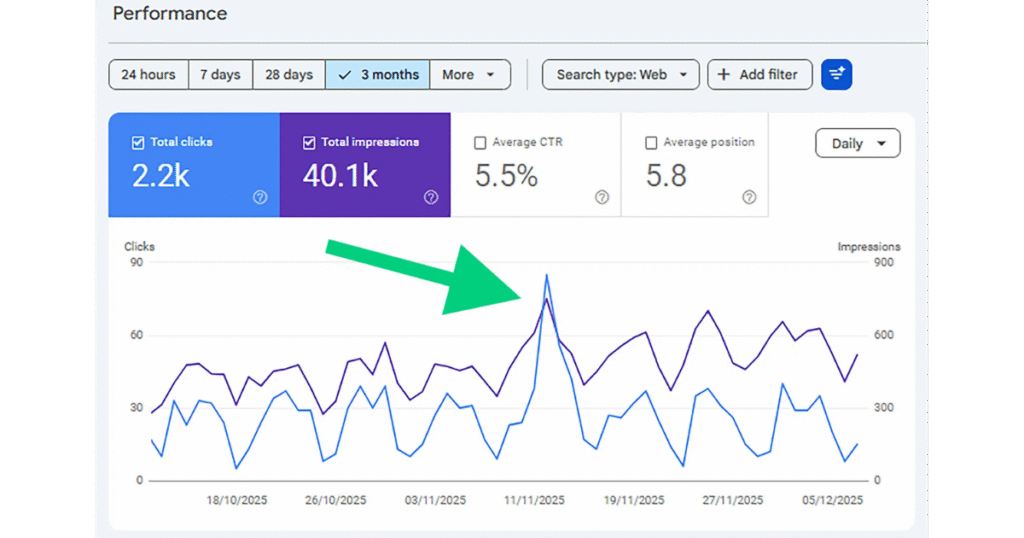
Around the fifth month, we started seeing meaningful growth in organic traffic. More importantly, qualified leads began arriving consistently through the website.
This experience reinforced something I often tell clients:
SEO rewards consistency, not shortcuts.
Businesses willing to stay committed for several months typically see stronger results than those expecting instant rankings.
How Long Does SEO Take to Work?
This is probably the second most common question after pricing.
Based on my experience, small businesses should generally expect:
- 1 to 2 months for foundational improvements
- 3 to 4 months for early ranking improvements
- 5 to 6 months for measurable traffic growth
- 6 to 12 months for significant lead generation improvements
Of course, every business is different.
A local business in a less competitive market may see results sooner. A law firm competing against established websites may need a longer timeline.
SEO is a long-term investment, and businesses that understand this usually achieve better outcomes.
How I Measure SEO ROI
One challenge with SEO is that results don’t happen overnight.
Because of this, I don’t evaluate SEO success based solely on rankings.
Instead, I monitor several key indicators:
- Organic traffic growth
- Lead generation
- Conversion rates
- Keyword visibility
- Domain authority growth
- Website engagement metrics
Personally, I pay close attention to domain authority and overall website strength because these often indicate whether future growth is likely.
As authority increases, ranking new content generally becomes easier, creating a compounding effect over time.
The Biggest Misconception About SEO Today
One misconception I’ve noticed recently is that SEO no longer works because AI has changed search.
I disagree.
AI is changing how content is created and consumed, but search engines still need trustworthy, authoritative websites to provide users with accurate information.
Businesses that publish helpful content, build authority, and focus on user experience continue to perform well.
SEO today may look different than it did five years ago, but it remains one of the most effective long-term marketing channels available.
Is SEO Worth It for Small Businesses?
In most cases, yes.
Unlike paid advertising, where traffic stops when spending stops, SEO can continue generating traffic and leads long after content is published.
That doesn’t mean SEO replaces advertising.
In many situations, I recommend combining SEO with paid advertising. While ads can produce immediate visibility, SEO builds long-term assets that continue working for the business over time.
The combination often creates the strongest overall marketing strategy.
Final Thoughts
If you’re a small business owner wondering how much SEO costs, expect to invest anywhere from $400 to $1,000 per month depending on your goals, competition, and market.
More importantly, don’t choose an SEO provider based solely on price.
Focus on finding someone who understands your business objectives and can create a strategy aligned with those goals.
One lesson I wish I had learned earlier in my SEO career is to ask every client a simple question before starting:
“What does success actually look like for your business?”
Whether the goal is more leads, more sales, more appointments, or greater brand awareness, that answer should guide every SEO decision moving forward.
When SEO is aligned with real business goals, it becomes far more than a marketing expense, it becomes an investment in long-term growth.
