
In today’s digital world, social media is no longer optional; it’s essential. Whether you’re a startup, a growing brand, or an established business, your online presence can directly impact your visibility, credibility, and revenue. But simply posting content isn’t enough anymore. To stand out, you need a winning social media strategy, one that is structured, data-driven, and aligned with your business goals.
At Oxx Leads, we’ve worked with businesses across industries, and one thing is clear: brands that succeed on social media don’t rely on guesswork, they follow a clear strategy. In this guide, we’ll walk you through exactly how to build one.
Understanding What a Social Media Strategy Really Is
A social media strategy is more than just a content calendar. It’s a comprehensive plan that defines your goals, audience, messaging, platforms, and performance metrics.
Think of it as your roadmap. Without it, you’re just posting content and hoping something works. With it, every post, story, and campaign has a purpose.
A strong strategy answers key questions:
- Who are you trying to reach?
- What value are you providing?
- Which platforms should you focus on?
- How will you measure success?
Once these foundations are clear, everything else becomes easier.
Define Clear and Measurable Goals
The first step in creating a winning strategy is setting goals. Without clear goals, you won’t know whether your efforts are working.
Your goals should align with your overall business objectives. For example, if you’re a new business, your focus might be brand awareness. If you’re more established, you might prioritize lead generation or sales.
Instead of vague goals like “grow followers,” focus on measurable outcomes. For example, increasing website traffic, generating qualified leads, or improving engagement rates.
Know Your Target Audience Deeply
One of the biggest mistakes businesses make is trying to target everyone. A winning social media strategy is built around a clearly defined audience.
You need to understand their demographics, interests, behaviors, and challenges. When you know what your audience cares about, you can create content that resonates with them.
For example, if you’re targeting business owners, your content should focus on solving business problems, sharing growth strategies, and offering practical insights.
Choose the Right Platforms (Not All of Them)
You don’t need to be everywhere. In fact, trying to manage every platform often leads to poor results.
Instead, focus on platforms where your audience spends most of their time.
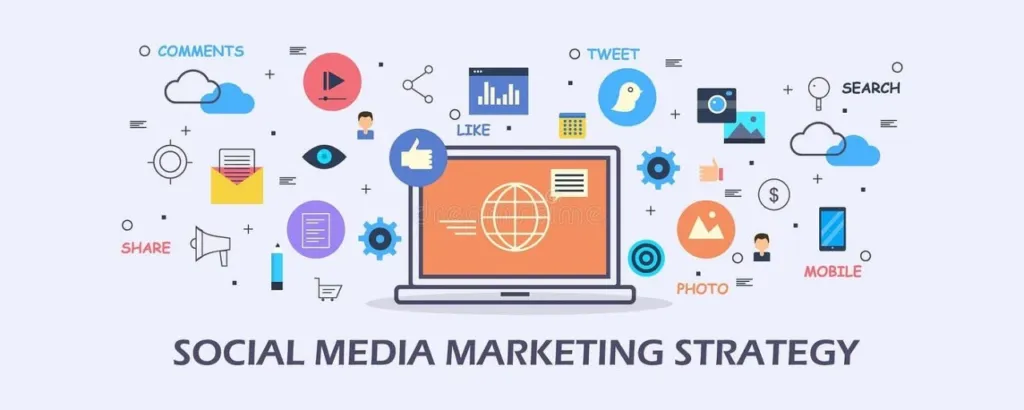
- Instagram and TikTok work well for visual and short-form content.
- LinkedIn is ideal for B2B and professional services.
- Facebook remains powerful for communities and local businesses.
- YouTube is perfect for long-form educational content.
Build a Strong Content Strategy
Content is the backbone of your social media success. But your content needs to provide value, not just fill space.
A strong strategy includes educational, entertaining, and promotional content. The key is balance. If all your content is promotional, people will lose interest quickly.
Focus on helping your audience first. Teach them something, solve a problem, or entertain them. When you build trust, conversions follow naturally.
Consistency is just as important as quality. Posting regularly keeps your brand visible and relevant.
Develop a Unique Brand Voice and Identity
Your brand voice is how you communicate with your audience. It should be consistent across all platforms.
Whether your tone is friendly, professional, or humorous, it should reflect your brand personality. For Oxx Leads, a conversational and expert tone works best because it builds trust while remaining approachable.
Your visual identity also matters. Consistent colors, fonts, and design styles make your content instantly recognizable.
Create a Content Calendar That Works
Planning your content in advance helps you stay consistent and organized.
A content calendar allows you to align your posts with your marketing goals and campaigns. It also ensures that you maintain a balance between different types of content.
Tools like Hootsuite and Buffer can help you schedule and manage your posts efficiently:
https://hootsuite.com
https://buffer.com
Planning ahead doesn’t mean you can’t be flexible. Always leave room for trends and real-time content.
Focus on Engagement, Not Just Posting
Social media is not a one-way channel. It’s about building relationships.
Respond to comments, reply to messages, and engage with your audience regularly. Ask questions in your captions and encourage discussions.
Engagement increases trust and strengthens your connection with your audience. Over time, this leads to higher loyalty and better results.
Use Data to Improve Your Strategy
A winning social media strategy evolves based on performance.
Every platform provides analytics that show how your content is performing. These insights help you understand what’s working and what’s not.
For example, if video content performs better than static posts, you should focus more on video. If a certain topic gets more engagement, create more content around it.
For deeper insights into digital marketing analytics, you can explore:
https://analytics.google.com
Leverage Paid Advertising for Faster Growth
Organic growth is powerful, but it takes time. Paid advertising can help you scale faster.
Platforms like Facebook and Instagram allow you to target specific audiences based on their interests, behaviors, and demographics.
With the right strategy, paid ads can drive traffic, generate leads, and increase conversions.
If you want to learn more about social media advertising basics, check out:
https://www.facebook.com/business/ads
Stay Updated with Trends and Algorithm Changes
Social media platforms are constantly evolving. Algorithms change, new features are introduced, and user behavior shifts.
To stay competitive, you need to adapt quickly. Follow industry blogs, test new content formats, and keep experimenting.
For example, short-form video content has become one of the most effective ways to reach audiences today.
Common Mistakes to Avoid
Many businesses struggle on social media because of avoidable mistakes.
Inconsistency is one of the biggest issues. Posting irregularly makes it hard to build momentum.
Focusing too much on selling can also hurt your brand. Social media is about building relationships first.
Ignoring analytics means you’re making decisions without data. And copying competitors without understanding your audience often leads to poor results.
How Oxx Leads Can Help You Win on Social Media
Creating a successful social media strategy requires time, expertise, and consistency.
Oxx Leads helps businesses develop customized strategies, create engaging content, run targeted campaigns, and analyze performance to improve results.
Our approach is simple—we focus on strategies that actually work and deliver measurable growth.
Frequently Asked Questions (FAQs)
What is the most important part of a social media strategy?
The most important part is understanding your audience. If you know who you’re targeting and what they need, everything else—content, platforms, and messaging—becomes much easier and more effective.
How often should I post on social media?
Consistency matters more than frequency. Whether you post three times a week or once a day, the key is to maintain a regular schedule that your audience can rely on.
How long does it take to see results from social media?
Social media is a long-term strategy. While paid ads can deliver quicker results, organic growth typically takes a few months of consistent effort to show meaningful outcomes.
Which platform is best for my business?
It depends on your audience and goals. For B2B businesses, LinkedIn is often the best choice. For visual brands, Instagram and TikTok work well. The key is to focus on where your audience is most active.
Do I need paid ads to succeed on social media?
No, but they can accelerate your growth. Organic strategies build trust over time, while paid ads help you reach a larger audience faster.
